Your credit score Canada can influence many financial decisions, from getting approved for a credit card to qualifying for a mortgage or renting a home. Whether you are new to Canada or have been managing credit for years, understanding how this three-digit number works can help you make better financial choices. This guide explains how Canadian credit scores work, what affects them, how to check yours for free, and practical ways to build or improve your credit history.
1. What Is a Credit Score in Canada?
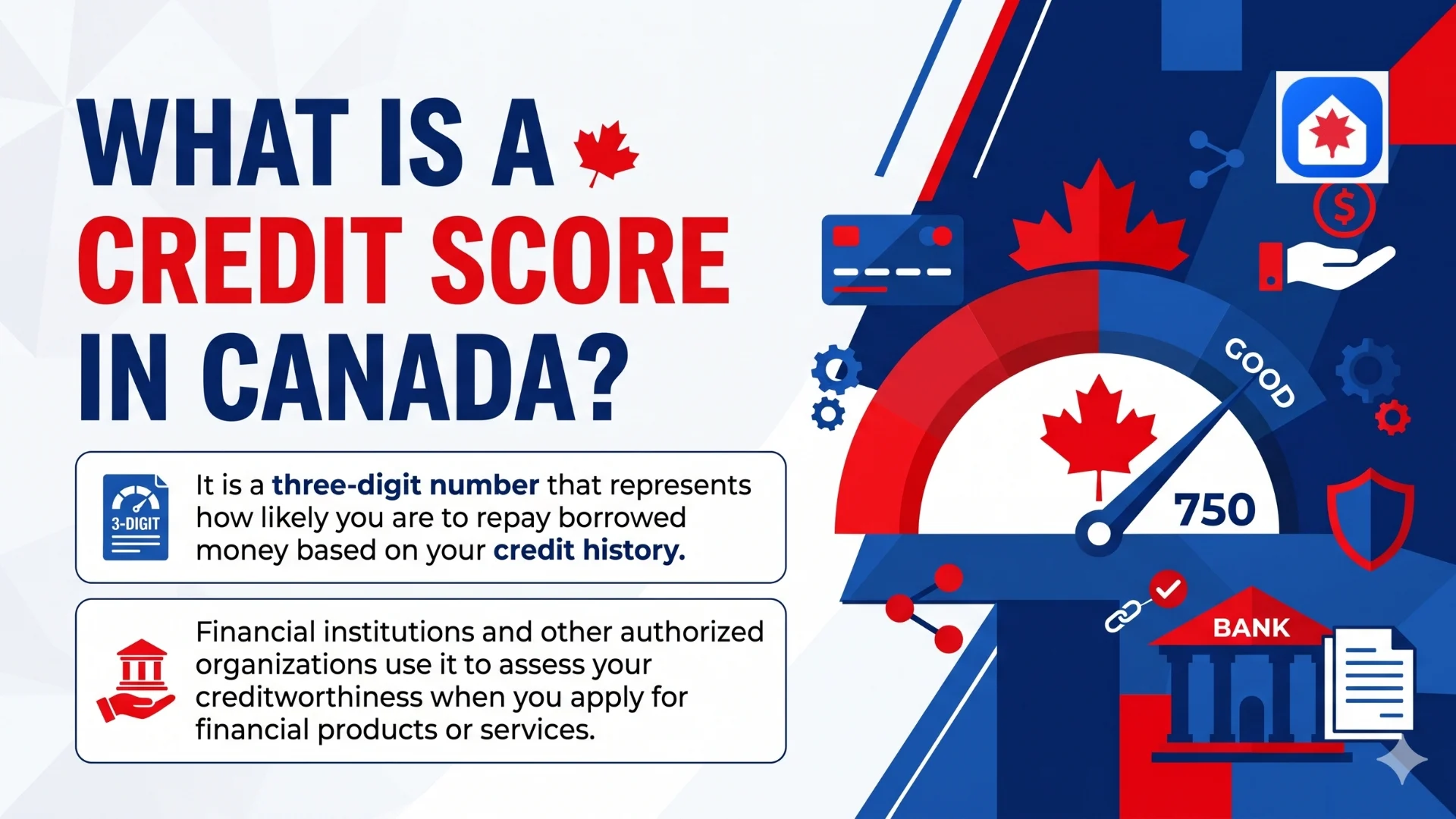
A credit score Canada is a three-digit number that represents how likely you are to repay borrowed money based on your credit history. Financial institutions and other authorized organizations use it to assess your creditworthiness when you apply for financial products or services.
In Canada, credit scores are generally calculated using information collected by two major credit reporting agencies: Equifax and TransUnion. These organizations maintain records of your borrowing and repayment activities and use that information to generate credit scores.
2. How Do Credit Scores Work in Canada?
Understanding how credit scores work in Canada starts with knowing how your financial activities become part of your credit history.
When you open a credit card, take out a loan, or apply for other credit products, the lender may report information about your account to Equifax, TransUnion, or both. Credit bureaus collect this information and use it to maintain your credit file. As your financial activities change, your credit report is updated, and your score may increase or decrease.
2.1. How Is a Credit Score Calculated?
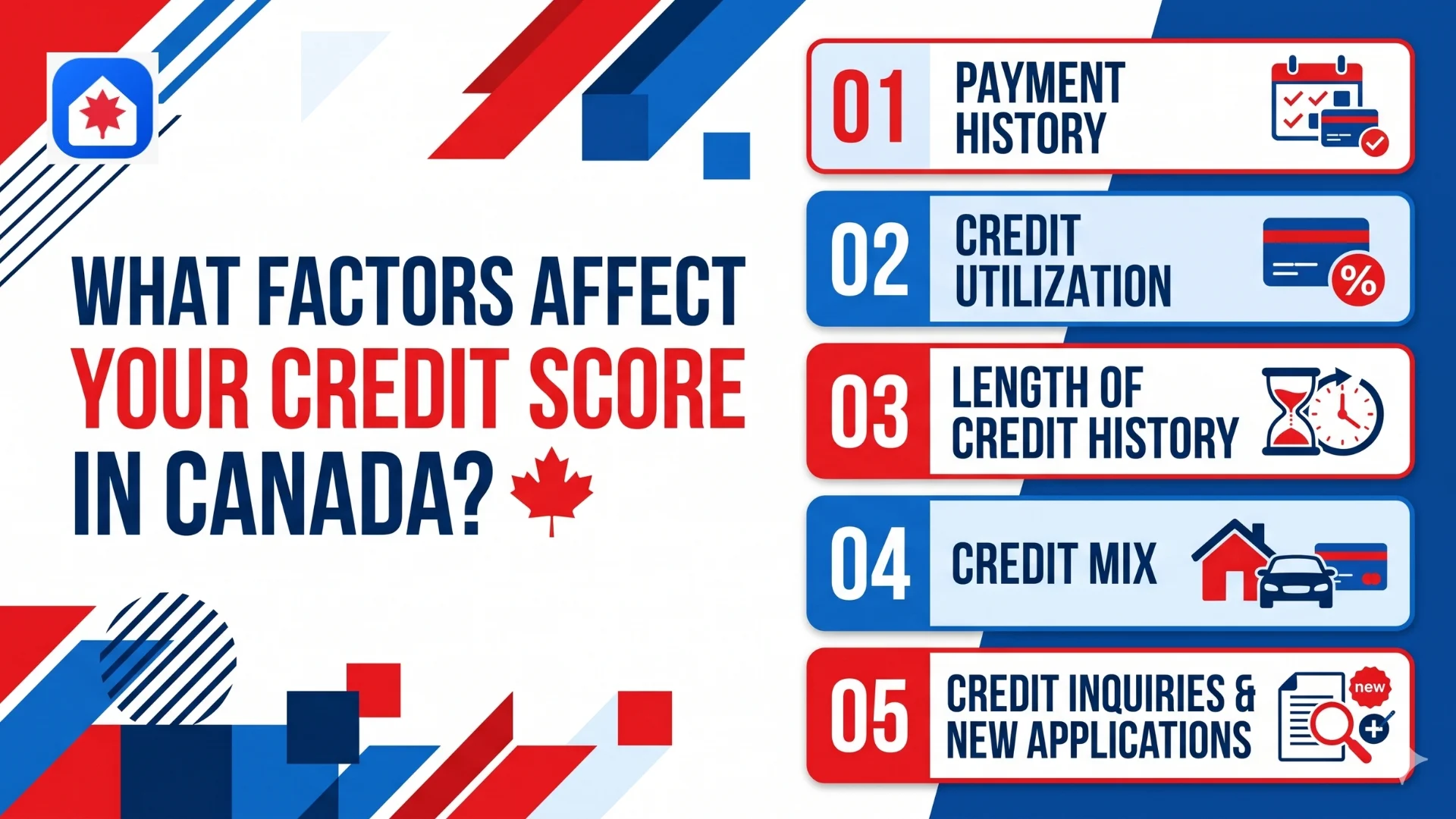
Credit bureaus and lenders use different scoring formulas to evaluate credit risk. Although the exact calculations are not publicly disclosed, several common factors influence your score:
- Payment history: Whether you pay your bills on time.
- Credit utilization: How much of your available revolving credit you use.
- Length of credit history: How long your credit accounts have been active.
- Credit mix: The different types of credit you manage.
- Credit inquiries: How frequently you apply for new credit.
Each scoring model may assign different importance to these factors. Therefore, there is no single formula that applies to every Canadian borrower.
2.2. Why Are My Equifax and TransUnion Scores Different?
You may notice that your Equifax and TransUnion credit scores differ. This is normal and does not necessarily indicate an error.
There are several reasons for the difference:
- Not all lenders report account information to both credit bureaus.
- Credit bureaus may update your information at different times.
- Each bureau may use different scoring models.
- Financial institutions may apply their own credit assessment criteria.
For example, your Equifax report may contain information about a recently opened credit card that has not yet appeared in your TransUnion file. This difference can result in different scores. The score you check through a credit bureau or banking app may also differ from the score a lender uses when reviewing your application.
2.3. How Do Lenders Use Your Credit Score?
Lenders use your credit score Canada and credit report to evaluate the risk of lending you money. Depending on the financial product, they may consider your credit history alongside your income, existing debt, employment, and other financial information.
Your credit profile may influence:
- Credit card applications: Whether you qualify for a card and the credit limit offered.
- Personal loans: Whether a lender approves your application and what interest rate applies.
- Mortgage applications: How lenders assess your borrowing risk alongside income, debt, and other qualification requirements.
- Car financing: Whether you qualify for financing and the terms offered.
- Rental applications: Whether a landlord considers you a suitable tenant.
A strong credit history may improve your chances of accessing credit on favourable terms. However, a high score does not guarantee approval because lenders consider other factors as well.
3. Credit Score Range in Canada: What Is a Good Score?
The typical credit score range in Canada is 300 to 900. A higher number generally indicates a stronger credit history and lower perceived lending risk. However, credit bureaus and lenders may use different classifications. The following table presents Equifax Canada's general credit score categories.
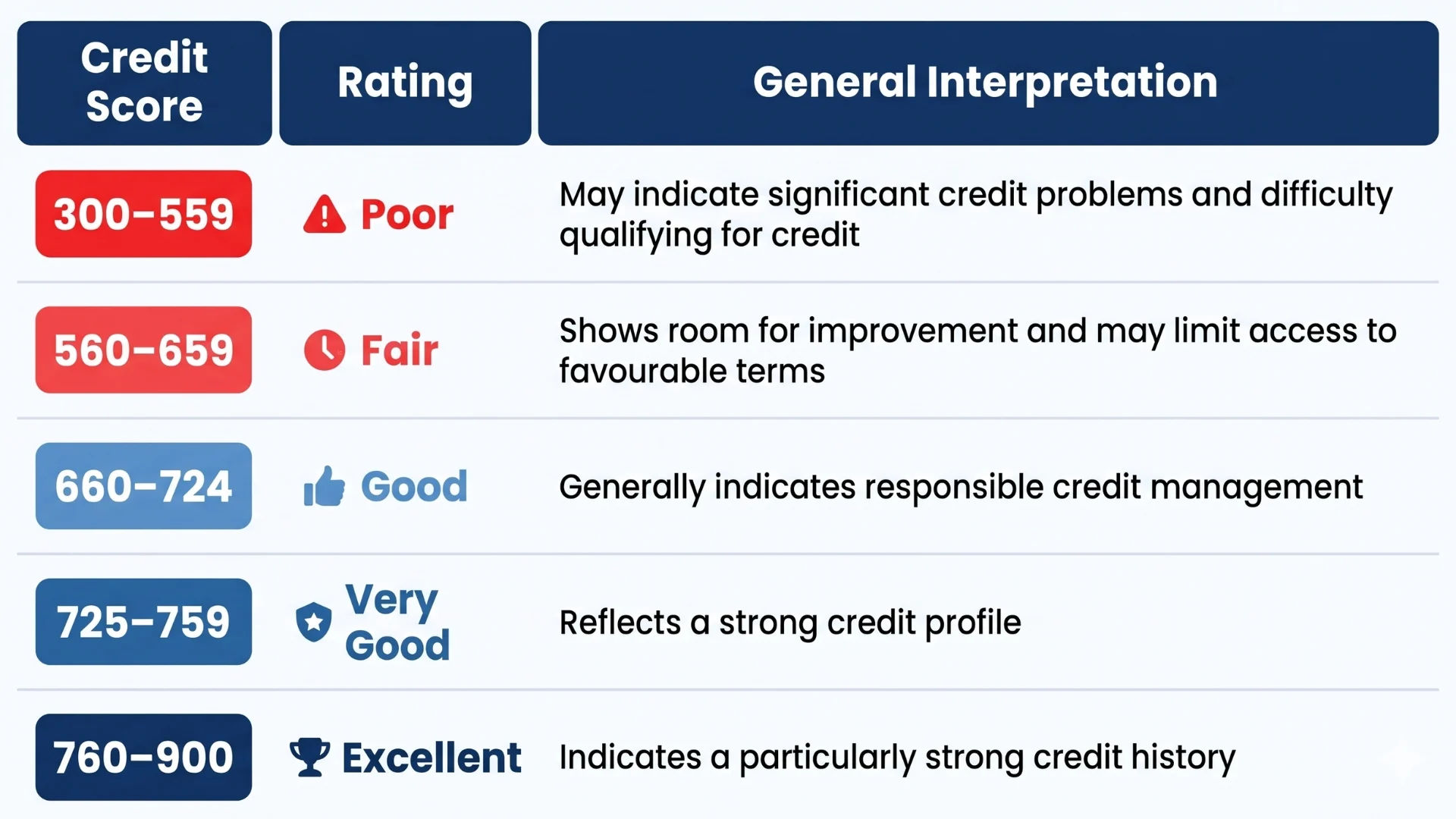
A good credit score Canada generally starts at 660 under Equifax's classification. However, reaching 700 or higher can put you in a stronger position when applying for certain financial products.
Here is how to interpret some common score levels:
- Below 560: You may have difficulty qualifying for traditional credit products or obtaining favourable interest rates.
- 600-659: Your credit profile may need improvement, particularly if you have missed payments or high outstanding balances.
- 660-699: You have reached the generally accepted good credit range, although lenders may still review other financial information.
- 700-759: Your score falls within the good to very good range and may improve your borrowing opportunities.
- 760 and above: You have an excellent score under Equifax's classification, although approval still depends on the lender's requirements.
There is no universal credit score threshold that guarantees approval or the lowest interest rate. Different lenders may use different scoring models and eligibility requirements.
4. What Factors Affect Your Credit Score in Canada?
Several financial behaviours influence your Canadian credit score. Understanding these factors can help you identify which habits to maintain and which ones to change.
4.1. Payment History
Payment history is the most important factor affecting your credit score Canada. It shows whether you consistently meet your repayment obligations. Late payments, missed payments, and accounts sent to collection agencies can negatively affect your credit profile. The impact may depend on how recently the missed payment occurred, how often it happened, and how serious the delinquency was.
To maintain a positive payment history:
- Pay your credit card and loan bills by their due dates.
- Set up automatic payments or payment reminders.
- Make at least the minimum payment if you cannot afford the full balance.
- Contact your lender as soon as possible if you anticipate payment difficulties.
Even one missed payment can affect your credit history, so consistency is important.
4.2. Credit Utilization
Credit utilization measures how much of your available revolving credit you are currently using.
Credit Utilization = (Outstanding Balance/ Credit Limit)*100%
For example, if your credit card has a $5,000 limit and your outstanding balance is $1,500, your utilization rate is 30%.
The Financial Consumer Agency of Canada recommends keeping your credit utilization below 30% of your total available credit. Generally, lower utilization indicates that you are not relying heavily on borrowed money.
One important detail is that paying your balance in full by the due date does not necessarily mean your reported utilization will always be low. Your lender may report your balance at a different point in the billing cycle. Keeping balances manageable throughout the month can help.
4.3. Length of Credit History
The length of your credit history reflects how long you have been using credit and how established your accounts are. A longer, consistent credit history gives lenders more information about your financial habits. By contrast, someone who has recently opened their first credit card may have a limited credit profile. So, consider keeping older accounts open if they have no unnecessary fees and you can manage them responsibly.
4.4. Credit Mix
Credit mix refers to the different types of credit accounts you manage, such as:
- Credit cards.
- Personal loans.
- Car loans.
- Lines of credit.
- Mortgages.
Having experience managing different credit products responsibly may support your credit profile. However, you should not borrow money or open unnecessary accounts just to diversify your credit mix.
4.5. Credit Inquiries and New Applications
Whenever you apply for a credit card, personal loan, or mortgage, the lender may conduct a hard inquiry on your credit report.
Hard inquiries can temporarily lower your credit score. Applying for several credit products within a short period may also make lenders concerned about your borrowing behaviour. By comparison, checking your own credit score is considered a soft inquiry and does not lower your score.
5. How to Check Your Credit Score for Free in Canada
Checking your credit score regularly helps you understand your financial position and identify potential errors or suspicious activity. In Canada, you can access your credit information through Equifax, TransUnion, and certain financial institutions.
5.1. Check Your Credit Score Through Equifax
Equifax Canada provides free online access to your credit score in all provinces and territories. You can visit its official website, complete the identity verification process, and follow the instructions to access your credit information.
5.2. Check Your Credit Score Through TransUnion
TransUnion also provides credit reporting services in Canada. Its Consumer Disclosure includes free access to your credit report, and residents of Ontario and Quebec can access their credit score through this service.
5.3. Check Through Your Bank
Some federally regulated financial institutions provide free credit score monitoring through their online banking platforms or mobile applications. Availability depends on the institution and the services included in your account. Check your bank's website or mobile app to see whether this option is available.
For more insights into personal finance and everyday life in Canada, explore the helpful resources on CanadaHomeHub.
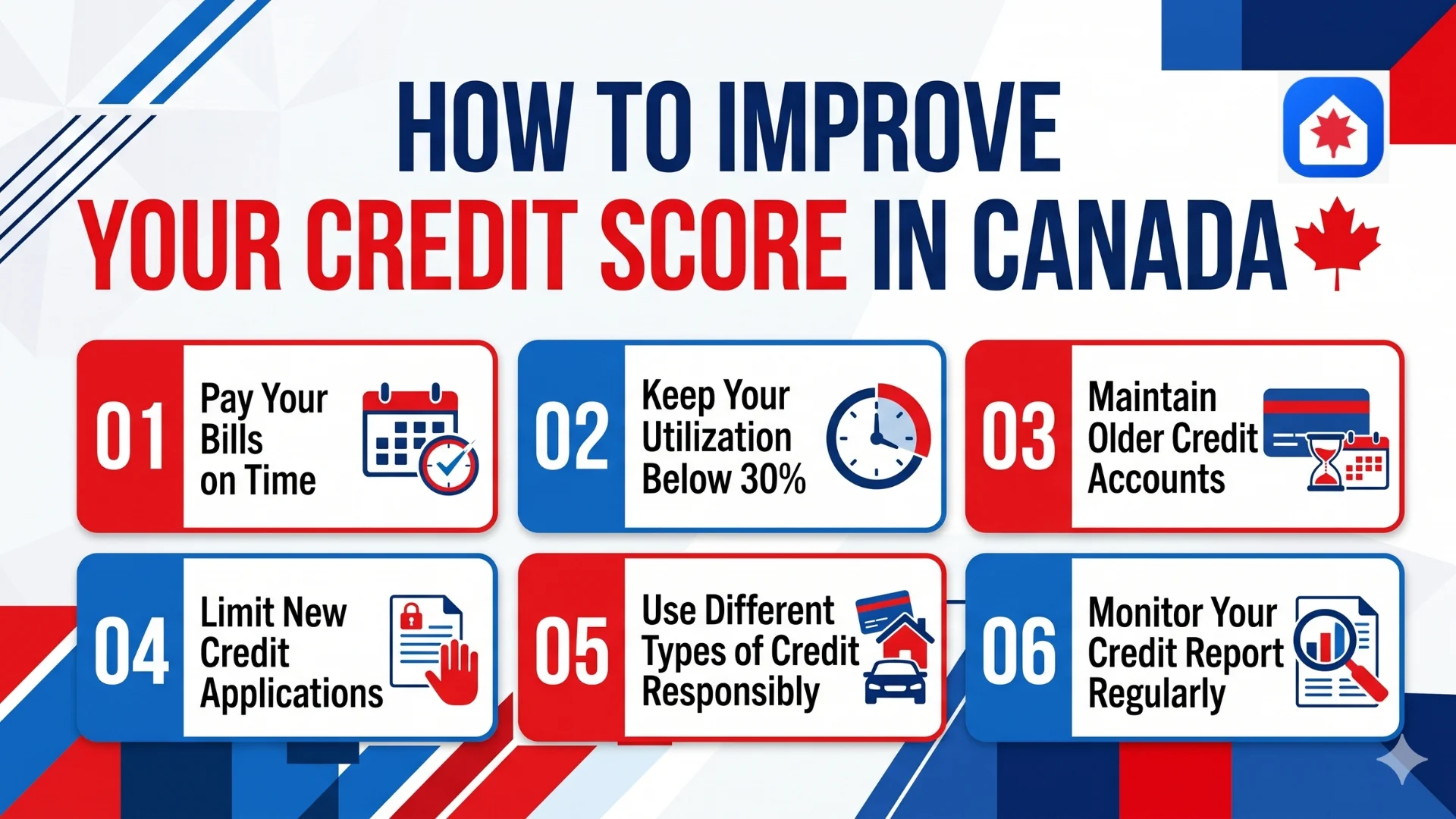
6. How to Improve Your Credit Score in Canada
Improving your credit score takes consistent financial habits rather than a single action. If your score is lower than expected, focus on the factors that have the greatest impact.
6.1. Pay Your Bills on Time
Make timely payments on all credit accounts. If you cannot afford to pay the full balance, try to make at least the minimum payment by the due date. You can also set up automatic payments to reduce the risk of forgetting a payment.
6.2. Keep Your Credit Utilization Below 30%
Avoid using most of your available credit, even if you can afford to repay the balance later. For example, if your credit card limit is $4,000, try to keep your outstanding balance below $1,200. If your current balance is high, consider reducing it gradually rather than relying on additional credit to cover your expenses.
6.3. Maintain Older Credit Accounts
An older credit account can contribute to a longer credit history. Before closing a credit card, consider its annual fee, available credit, and potential impact on your overall credit profile. If the account is free and manageable, keeping it open may be beneficial.
6.4. Limit New Credit Applications
Avoid applying for several credit cards or loans within a short period unless necessary. Before submitting an application, compare eligibility requirements and consider whether the product fits your financial needs.
6.5. Use Different Types of Credit Responsibly
Managing different credit products can demonstrate your ability to handle various borrowing arrangements. However, taking on unnecessary debt is not a recommended way to improve your credit score. Prioritize repayment and responsible borrowing over the number of accounts you hold.
6.6. Monitor Your Credit Report Regularly
Review your credit report periodically to identify errors, outdated information, or signs of identity theft. If you discover an unfamiliar account or inaccurate payment record, contact the relevant credit bureau and lender to investigate.
Frequently Asked Questions
1. What Is a Good Credit Score in Canada?
A credit score Canada of 660-724 is generally considered good under Equifax Canada's classification. Scores from 725-759 are very good, while scores of 760-900 are excellent. However, individual lenders may use different scoring models and approval requirements.
2. Is 700 a Good Credit Score in Canada?
Yes. A score of 700 falls within the good credit range. It generally indicates responsible credit management, although lenders may consider additional factors such as income, existing debt and repayment history.
3. What Is the Average Credit Score in Canada?
There is no single universally applicable average credit score published by Canada's two major credit bureaus. Average scores can vary depending on the data source, reporting period and scoring model. Rather than focusing only on the national average, compare your score with the general credit score categories used by the bureau providing it.
4. Does Checking Your Credit Score Lower It?
No. Checking your own credit score or requesting your credit report is considered a soft inquiry and does not lower your score. However, applying for a new credit card or loan may trigger a hard inquiry that can temporarily affect your credit score.
5. How Long Does It Take to Build a Credit Score in Canada?
The time required depends on when your credit accounts are opened, when lenders report your activity, and how consistently you manage repayments. You need enough reported credit information to establish a score, so there is no guaranteed timeline. Building a stronger credit history generally requires consistent financial habits over time.
6. Can Newcomers Get a Credit Score in Canada?
Yes. Newcomers can establish a Canadian credit score by opening credit accounts that report activity to Canadian credit bureaus and making payments consistently. A secured credit card can be a useful starting point for people who do not qualify for a regular card.
7. Why Are My Equifax and TransUnion Scores Different?
Your scores may differ because the two bureaus can receive different account information, update records at different times, and use different scoring models. Lenders may also use their own scoring systems when evaluating applications.
Understanding your credit score Canada is an important part of managing your personal finances. Although scores generally range from 300 to 900, what counts as a good score depends on the scoring model and the lender evaluating your application. The most effective way to maintain a healthy credit profile is to pay bills on time, keep credit utilization low, manage existing accounts responsibly, and avoid unnecessary credit applications. Whether you are building credit as a newcomer to Canada or preparing to apply for a mortgage, developing consistent financial habits can put you in a stronger position to access future financial opportunities in Canada.
For more practical information on managing your finances, settling in Canada, and navigating everyday life, explore CanadaHomeHub. The website offers helpful guides, financial calculators, and other resources to help you make informed decisions as you build your life in Canada.